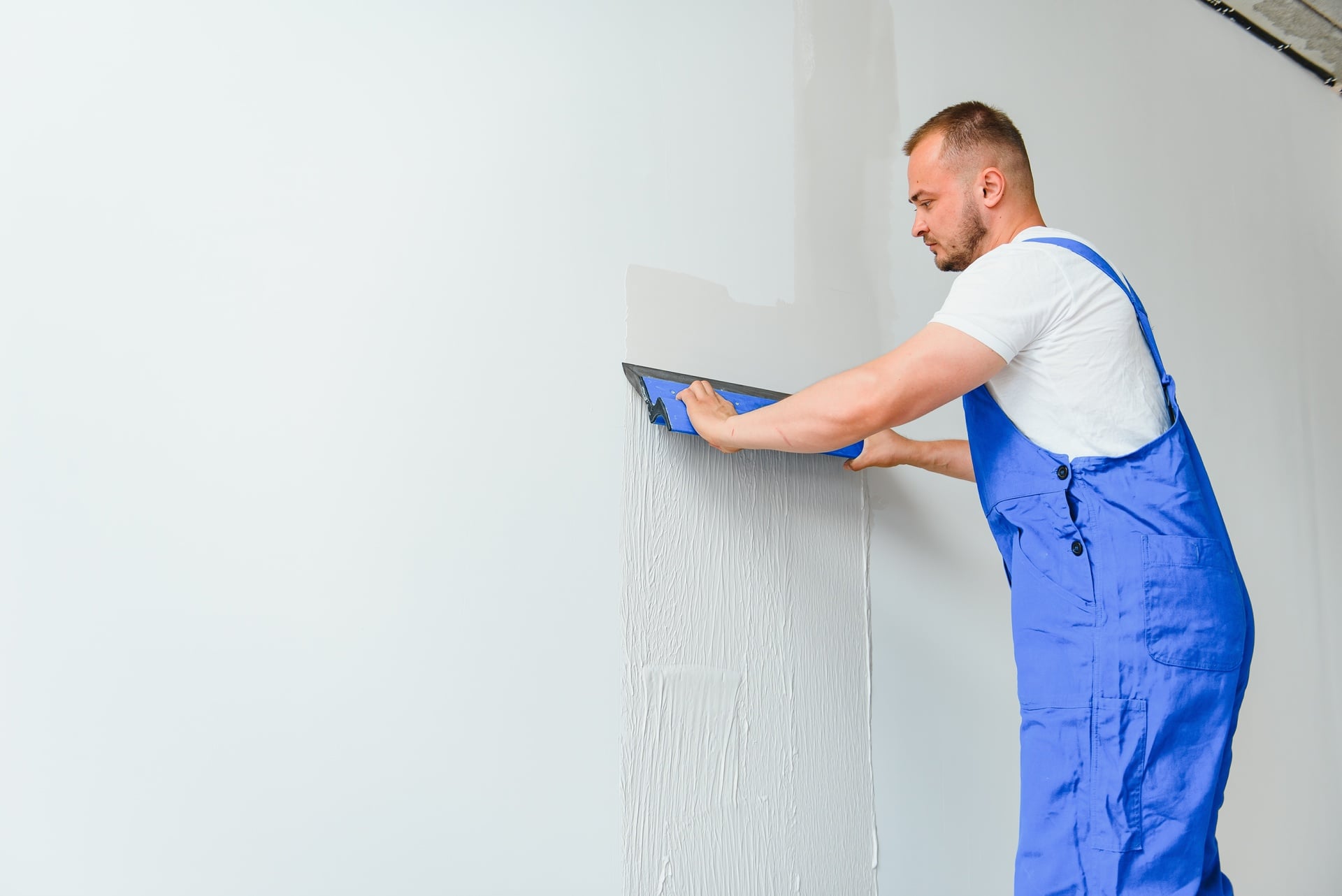
The difference between a good wall finish and an exceptional one often comes down to understanding when Level 5 drywall finishing is necessary versus settling for Level 4. While both represent quality workmanship, the distinction becomes critical in high-end applications where lighting conditions, paint choices, and aesthetic expectations demand absolute perfection.
Industry sources increasingly describe Level 5 as the benchmark for luxury construction and renovation, reflecting shifting expectations in the premium residential market. The global gypsum board market reached $59.48 billion in 2024 and is projected to grow to $171.70 billion by 2033, with much of that growth tied to demand for higher-quality finishes. At the same time, interior design trends have moved toward darker, more saturated paint colors. Benjamin Moore’s 2026 Color of the Year, Silhouette, and Behr’s deep jewel-toned selections both illustrate this shift. These palettes tend to reveal surface inconsistencies that lighter finishes often conceal.
As a result, Level 5 finishing is increasingly specified in projects where visual precision matters. Dark or reflective finishes can highlight subtle variations in texture, including tool marks and porosity differences left by standard finishing methods. In high-end residential and commercial environments, the choice between Level 4 and Level 5 often influences how well a space meets expected aesthetic standards.
Understanding Gypsum Association Finish Standards
The Gypsum Association’s GA-214 “Levels of Finish for Gypsum Panel Products” serves as the industry’s definitive guide for drywall finishing standards. This regulatory framework establishes clear criteria for each finishing level, from Level 0 through Level 5, ensuring consistency across the construction industry and providing contractors, architects, and property owners with standardized expectations for surface quality.
Level 4 Characteristics and Applications
Level 4 drywall finish involves tape embedded in joint compound over all flat joints and interior angles, followed by two additional coats of joint compound on flat joints and one coat over interior angles. Fastener heads and accessories receive three separate coats of joint compound, creating a smooth surface suitable for flat paints and light textures.
This finishing level works effectively in standard residential and commercial applications where lighting conditions are forgiving. However, Level 4 is specifically not recommended for spaces where non-flat paints or dark, deep-tone colors will be applied, as these applications can highlight the subtle texture differences between treated and untreated drywall areas.
Level 5 Requirements and Specifications
Level 5 finishing builds upon Level 4 by adding a critical final step: a complete skim coat application over the entire surface. This additional layer creates a uniform substrate that eliminates tool marks, ridges, and any surface imperfections while providing consistent porosity across the entire wall or ceiling surface.
The technical specifications for Level 5 require that the skim coat be applied evenly across all surfaces, including areas that received joint compound treatment and the “field” areas of the gypsum board. This coverage ensures that paint application results in uniform appearance, color depth, and sheen characteristics regardless of the underlying surface variations.
Critical Lighting Conditions Demand Level 5 Perfection
Lighting plays a crucial role in determining when Level 5 finishing becomes necessary rather than optional. Critical lighting conditions – including direct natural light, artificial side lighting, and high-intensity fixtures – can transform minor surface imperfections into glaring visual defects that compromise the overall aesthetic of premium spaces.
How Natural Light Exposes Wall Imperfections
Natural light, particularly from large windows, skylights, or floor-to-ceiling glass installations, creates directional illumination that casts shadows across wall surfaces. These shadows highlight even minor variations in texture, making imperfections visible that would remain hidden under standard ambient lighting conditions.
High-end residential projects frequently encounter challenges where Level 4 finishing proves inadequate for walls exposed to significant natural light from large windows. These projects commonly require upgrading to Level 5 finishing to meet the aesthetic expectations of luxury buyers who expect flawless wall surfaces throughout living spaces.
The directional nature of sunlight as it enters interior spaces creates harsh shadows and glare that can reveal surface inconsistencies. Level 5 finishing eliminates these potential problems by creating a surface so uniform that directional lighting enhances rather than compromises the wall’s appearance.
Dark Paint Colors Requiring Flawless Surfaces
Dark and deep-tone paint colors present unique challenges that make Level 5 finishing required for achieving professional results. These colors have higher light absorption rates and lower reflectivity, which means surface imperfections become more pronounced as they create variations in how light reflects off different areas of the wall.
Glossy paint finishes compound this effect by creating mirror-like surfaces that reflect light directly back to the viewer. Any underlying texture variations or surface imperfections become magnified under these conditions, making the difference between Level 4 and Level 5 finishing immediately apparent to anyone viewing the completed work.
The Skim Coat Process That Defines Level 5
The skim coating process represents the technical heart of Level 5 finishing, involving the application of a thin, uniform layer of joint compound across the entire drywall surface. This process requires precise technique and proper materials to achieve the seamless results that distinguish Level 5 from all other finishing levels.
Multiple Compound Applications and Sanding
Achieving Level 5 quality typically requires two to three coats of joint compound, with thorough sanding between each application. The first coats focus on joints, fasteners, and angles following Level 4 protocols, while the final skim coat covers the entire surface to create uniform texture and porosity characteristics.
Each coat must dry completely before the next application, and rushing this process can result in bubbles, cracks, or uneven surfaces that require extensive rework. Professional contractors understand that proper drying time between coats is required for achieving the structural integrity and surface quality that defines Level 5 finishing.
The sanding process between coats requires fine-grit materials and careful technique to avoid creating new imperfections while smoothing existing ones. This iterative approach of application, drying, and sanding builds up to the final surface quality that makes Level 5 finishing the preferred choice for premium applications.
Professional Tools for Uniform Coverage
Professional drywall contractors use specialized tools designed specifically for Level 5 applications. Wide skimming blades and trowels enable uniform compound distribution across large surface areas, while spray equipment can provide consistent coverage for extensive projects requiring Level 5 finishing throughout multiple rooms or entire buildings.
High-precision taping knives and specialized tools for accurate compound application ensure proper compound application and smoothing. These tools are engineered to minimize tool marks and ridges while maximizing the uniformity of the applied compound layer, contributing directly to the final surface quality that distinguishes Level 5 work.
Professional contractors may employ various application methods to maintain consistent results throughout large projects, ensuring that material properties remain constant from the first application to the final skim coat. This attention to equipment and material consistency reflects the precision required for successful Level 5 finishing.
Quality Control and Inspection Standards
The inspection process for Level 5 finishing is significantly more rigorous than for lower levels, taking place with the project’s final lighting features and window treatments in place. This evaluation ensures that no imperfections are visible under the actual conditions the finished surfaces will experience.
Quality control protocols for Level 5 work often include multiple inspection phases, beginning with substrate preparation and continuing through each compound application. Final inspections use the installed lighting systems to replicate the exact viewing conditions that occupants will experience, ensuring that the finished surfaces meet Level 5 standards under real-world conditions.
Many professional contractors follow systematic approaches throughout the Level 5 process, recording compound types, application techniques, drying times, and inspection results. This methodical approach helps ensure consistent results and provides accountability for the premium quality that Level 5 finishing represents.
Level 5 Finish Sets the Standard for Luxury Excellence
Level 5 drywall finishing has become the benchmark for luxury construction and high-end renovation projects, representing a commitment to visual perfection that distinguishes premium properties from standard construction. This finishing level transforms walls from functional surfaces into architectural elements that support rather than detract from interior design concepts.
For architects, designers, and property developers seeking to deliver exceptional results, Level 5 drywall finishing represents an investment in quality that pays dividends through improved aesthetic appeal, increased property values, and client satisfaction that builds reputation and repeat business.
Phoenix Advanced Materials
2600 East Southlake Boulevard
Ste120-384
Southlake
TX
76092
United States